The Truth About Packing Temperature-Sensitive Items in Winter
Freezing temperatures introduce unique mechanical risks to your household belongings during highway transport. Wooden furniture and sensitive electronic components react poorly to sudden climate shifts inside an unheated truck box. The team at Instant Movers YXE uses specific material strategies to prevent weather damage during the coldest months of the year. Relying on specialized packing prevents irreversible damage to your most valuable possessions.
Wrapping delicate items incorrectly traps cold air and leads to structural failure on the road. Standard cardboard and cheap packing tape offer zero insulation against extreme temperature drops. Proper climate preparation requires trade-grade materials designed for hostile environments. Learning how the professionals secure these items helps you make better decisions about protecting your valuables during a winter relocation.
Article breakdown:
● Temperature shocks: What cold weather does to belongings
● Proper materials: Building a barrier against the cold
● Electronic safety: Preventing internal moisture damage
Professional Packing Services Winter Strategies
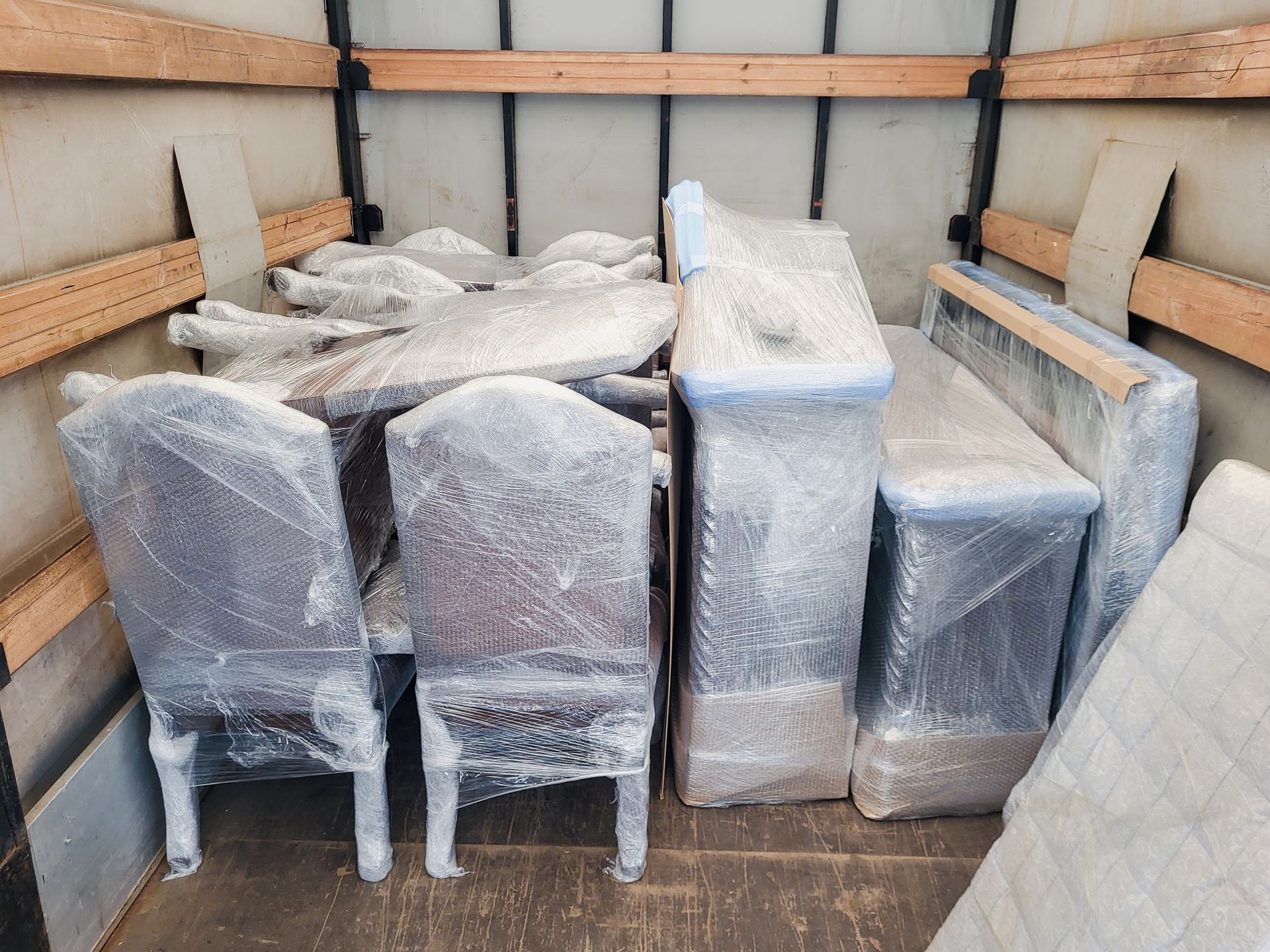
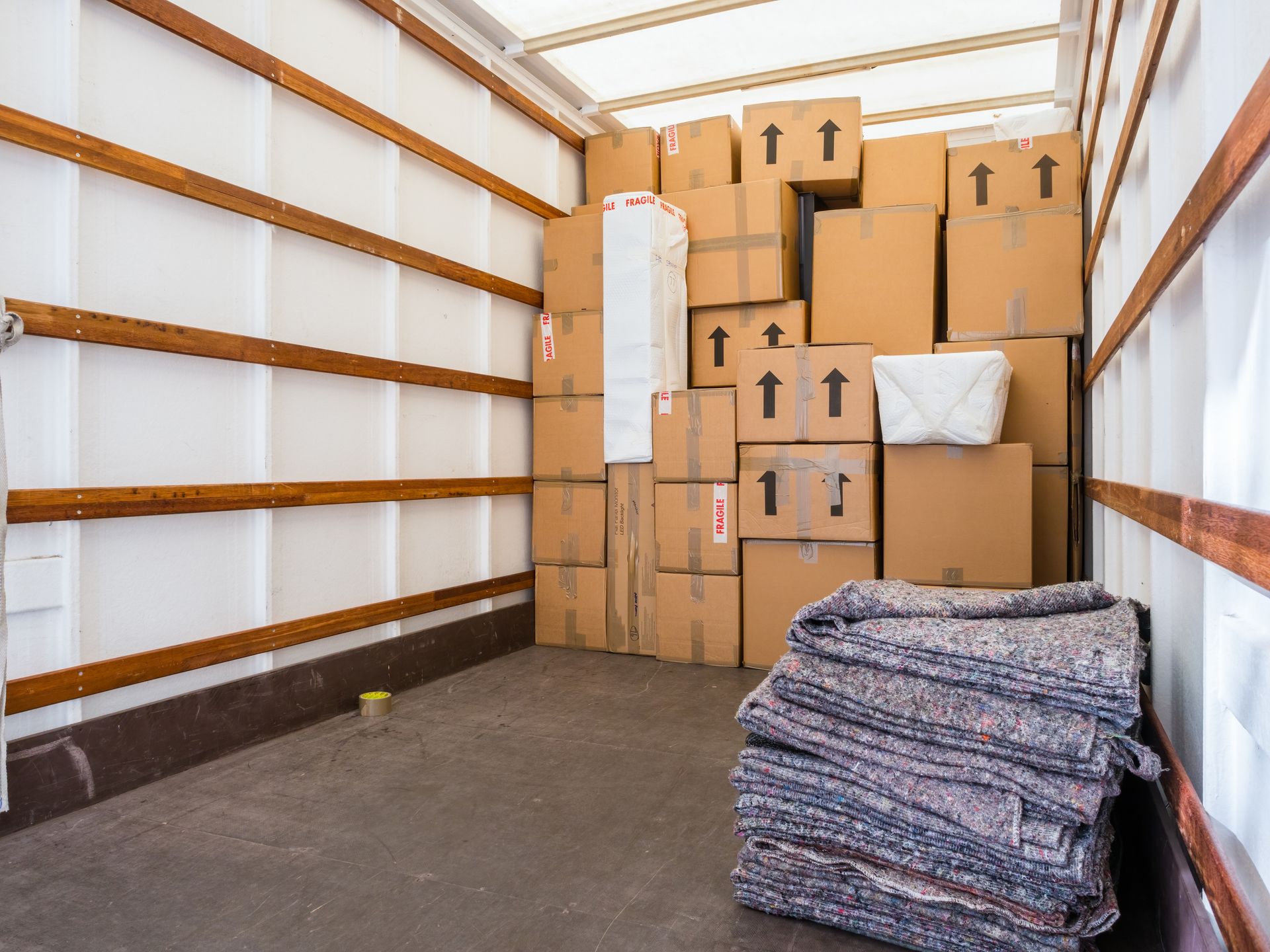
Drastic temperature changes cause solid wood to contract rapidly. Antique dressers and hardwood dining tables are prone to splitting and cracking if they are not insulated against the cold. Applying professional packing services winter methods creates a thermal barrier that slows down the temperature shift. Moving blankets are strapped tightly around the wood to keep the core temperature stable during transport.
Relying on standard moving supplies like thin plastic wrap does more harm than good in January. Plastic shrinks in the cold and can snap delicate furniture joints if wrapped too tightly. Professional crews use thick, quilted padding to absorb highway vibrations while providing essential insulation. The right materials dictate whether a wooden heirloom survives a freezing journey.
Protecting Sensitive Electronics
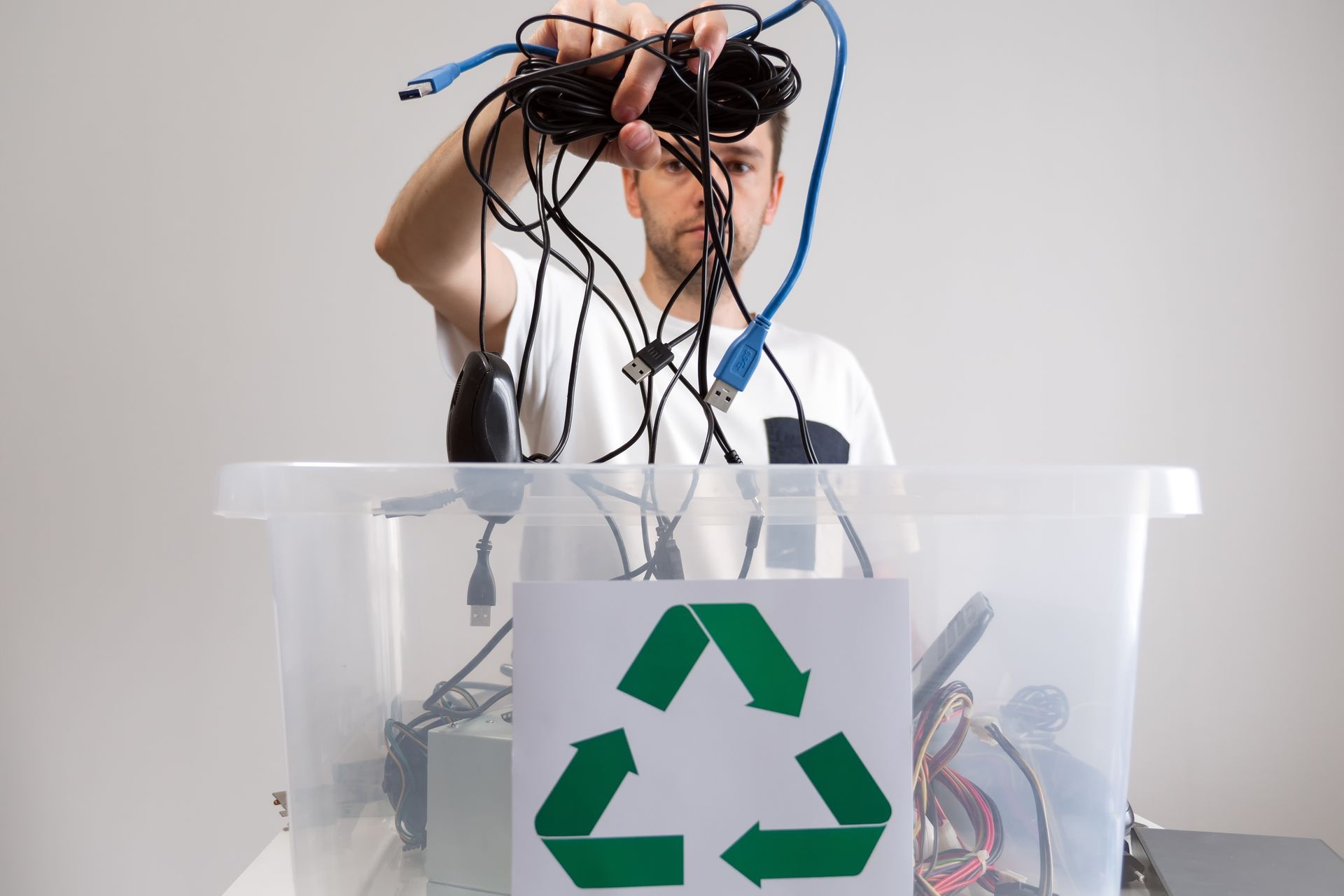
Cold weather wreaks havoc on circuit boards, screens, and internal hard drives. People frequently ask, how to pack electronics for moving in cold weather? You pack them using anti-static materials and thick thermal blankets to prevent freezing, then let them sit in the box for twenty-four hours in the new house to prevent rapid condensation. Plugging in a freezing cold television immediately causes internal moisture to short out the circuits.
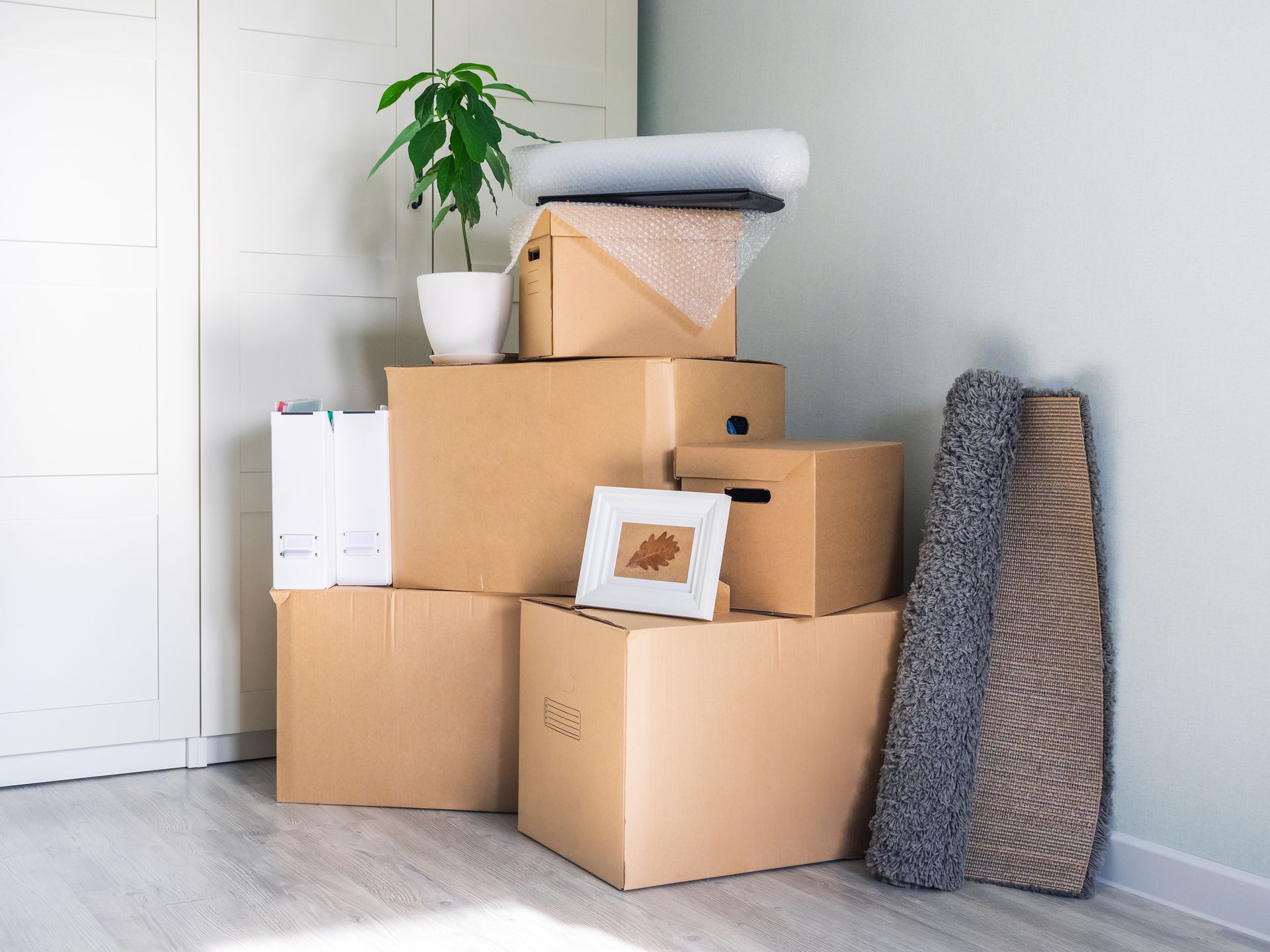
LCD screens actually freeze and crack if exposed to sub-zero temperatures for prolonged periods. To prevent this, professionals sandwich the screens between layers of heavy corrugated cardboard and dense foam. This absorbs the physical shock of the road while creating dead air space that insulates the delicate glass. Proper packing keeps the cold away from the fragile components.
Securing Fragile Glass and Ceramics
Glassware and ceramic dishes become incredibly brittle when the temperature drops below freezing. A small bump that a plate could survive in summer will shatter it completely in winter. Proper packing requires wrapping each individual piece in heavy newsprint and packing them tightly into double-walled boxes. Any empty space inside the box must be filled to prevent shifting.
For long distance moving in winter, these heavy-duty boxes are essential. The continuous vibration of the highway mixed with freezing temperatures tests the limits of every box in the trailer. Professional crews stack the truck specifically to keep fragile boxes insulated by surrounding them with softer items like mattresses and packed clothing.
Securing Your Items Against the Cold
Using the right materials and techniques ensures your fragile property survives the harshest winter transport conditions. Applying trade knowledge to the packing process prevents expensive replacements upon arrival. Reach out to our crew for specialized packing assistance this winter.
Share This Blog