4 Industrial Packing Materials That Survive Long Haul Transport
Standard cardboard boxes and cheap retail tape simply do not hold up under the stress of a multi day highway trip. Piling weak containers into a transport trailer guarantees that the bottom layers will crush and collapse under the pressure. Instant Movers YXE supplies the exact heavy duty materials required to keep your possessions safe across the country.
Understanding the difference between household storage bins and actual freight supplies prevents thousands of dollars in property damage. Investing in the correct long distance packing supplies is the only way to shield your fragile items from transit vibrations. These trade insights expose the materials you actually need for a secure interprovincial haul.
In This Article:
- Tip #1: Securing Corrugated Industrial Boxes
- Tip #2: Applying High Adhesion Packing Tape
- Tip #3: Utilizing Thick Moving Blankets
- Tip #4: Selecting Custom Crate Materials
- Frequently Asked Questions
Tip #1: Securing Corrugated Industrial Boxes
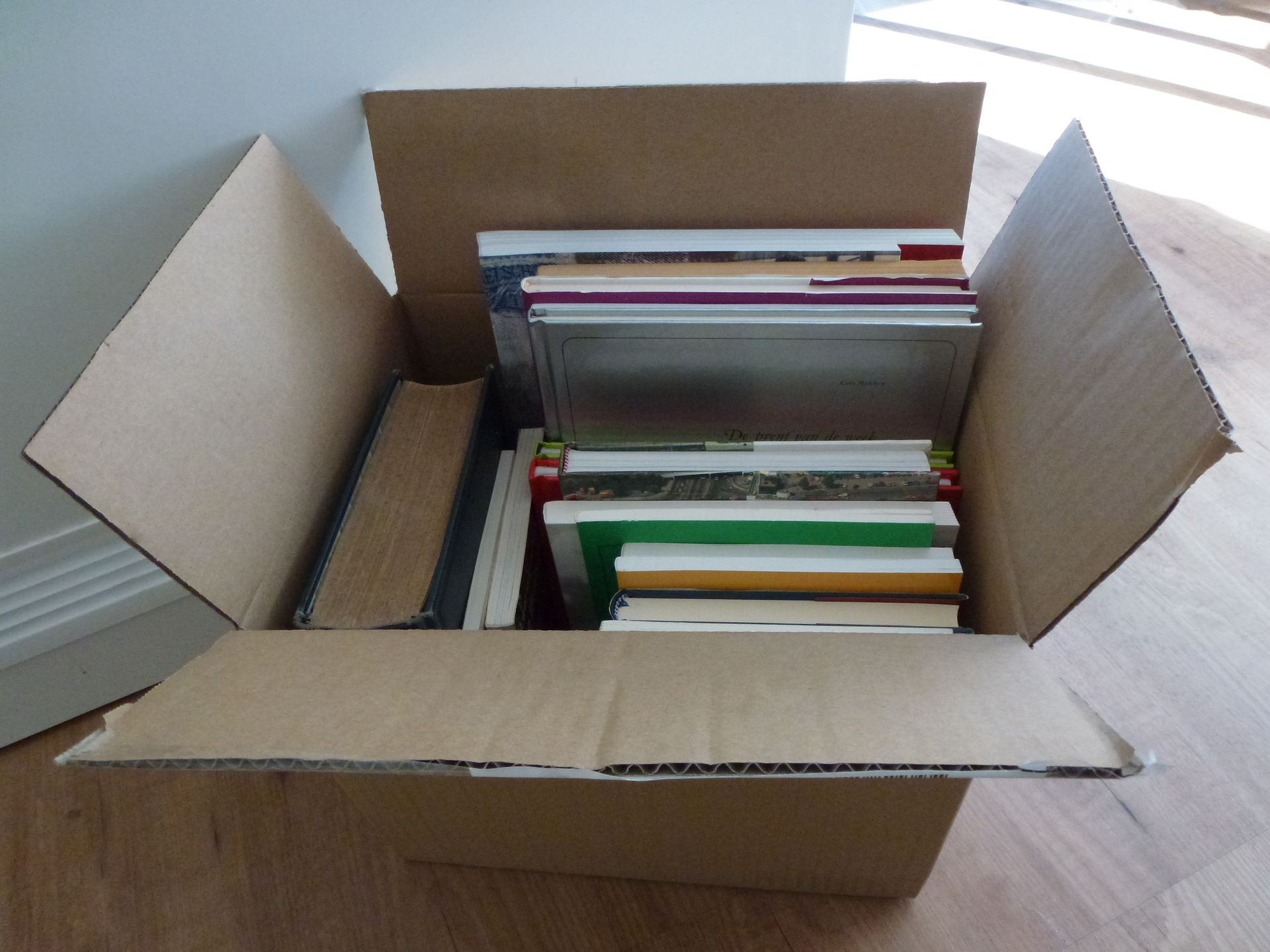
Grocery store boxes are designed to hold lightweight food items, not heavy stacks of ceramic dishes or library books. When a truck hits a pothole on the highway, thin cardboard buckles instantly under the weight of the boxes stacked above it.
• Edge crush testing: Industrial moving boxes are rated for high edge crush resistance, meaning their corners will not buckle easily.
• Uniform stacking: Professional boxes come in standardized sizes that lock together perfectly to create a stable wall inside the trailer.
• Moisture resistance: Heavy duty corrugated cardboard resists ambient humidity far better than cheap retail boxes.
Tip #2: Applying High Adhesion Packing Tape
Using basic office tape or cheap masking tape is a guaranteed way to have your boxes burst open mid transit. Temperature fluctuations inside a moving trailer cause cheap adhesives to dry out and peel away from the cardboard entirely.
• Acrylic adhesives: Trade professionals use heavy duty acrylic tape that aggressively bonds to corrugated fibers in varying temperatures.
• Seam sealing: You must tape all open seams on the top and bottom of the box to prevent highway dust from entering your belongings.
• H method taping: Running tape across the center seam and along both edge seams provides the highest structural integrity for heavy loads.
This is something clients notice firsthand when our crews secure their cargo for long hauls.
Using the right bonding materials makes a massive difference in structural safety.
► Client Experience: We moved yesterday and were extremely happy with their service. The team was very gentle and careful with our belongings, patient throughout the process, and genuinely friendly. The entire move went smoothly with no incidents at all. Their pricing was also very fair and reasonable. The owner sent us the invoice, thanked us for our business, and left without even waiting for payment. It showed a lot of trust and professionalism.
Professional care starts with choosing materials that genuinely protect what matters most.
Tip #3: Utilizing Thick Moving Blankets
Wrapping a solid wood dining table in a thin bed sheet provides absolutely zero protection against impact or friction. Thick quilted moving blankets absorb the harsh vibrations of a transport truck and prevent neighboring items from scratching each other.
• Density matters: Professional moving pads are woven with thick cotton blends that provide a heavy shock absorbing barrier.
• Total coverage: Every inch of exposed wood or metal must be wrapped and secured with stretch film to keep the blanket in place.
• Strap protection: The blankets also protect the furniture from being gouged by the heavy nylon ratchet straps used to secure the load.
Tip #4: Selecting Custom Crate Materials
Standard cardboard offers very little defense for highly fragile items like flat screen televisions or heavy glass table tops. For high value breakables, you must upgrade your materials to rigid protective barriers that can take a direct hit.
• Picture boxes: Use telescoping mirror boxes reinforced with thick corner guards to protect large artwork.
• Bubble insulation: Always use large cell bubble wrap for electronics rather than thin newspaper that easily compresses.
• Wooden crating: Extremely valuable antique glass requires custom built wooden crates to survive an interprovincial journey intact.
Frequently Asked Questions
What boxes are best for long distance moving?
You should only use double walled corrugated boxes for heavy or fragile items traveling long distances.
These boxes feature two distinct layers of fluted cardboard that provide superior shock absorption and vertical stacking strength.
Using uniform sizes like standard two cubic foot and four cubic foot boxes allows the movers to build a tight, shift free load.
Does tape quality matter for moving boxes?
Tape quality is absolutely critical for the structural integrity of your packed items.
If the tape fails, the bottom of the box will drop out under the weight of its contents as soon as a mover lifts it.
Always invest in high tensile packing tape measuring at least two inches wide for maximum coverage and grip.
How do you pack fragile items for a highway trip?
Fragile items must be packed tightly so they cannot shift or rattle inside the box during transport.
Line the bottom of the container with crushed packing paper for a shock absorbing base before adding wrapped dishes.
Fill every empty void in the box with additional crumpled paper so the top flaps close firmly against a solid surface of padding.
Packing for Highway Success
Upgrading your supplies to trade standard materials guarantees your belongings survive the physical demands of a cross country haul.
Skipping cheap shortcuts ensures you will unpack intact dishes and pristine furniture at your new home.
Contact our team today to purchase professional grade moving supplies or book our expert packing services for your long distance move.
Share This Blog