The Hidden Costs of DIY Junk Removal vs Professional Moving Crews
Clearing out years of accumulated clutter is the most physically demanding part of preparing for a relocation. Many homeowners assume that hauling old furniture to the dump themselves is the cheapest way to clear their property. Instant Movers YXE knows that DIY disposal often carries hidden physical and financial costs that are rarely considered until it is too late. Understanding the actual logistics of waste disposal helps you plan a more efficient timeline before moving day. Getting rid of heavy debris requires heavy duty vehicles, fuel money, and hours of backbreaking labour. Taking an honest look at junk removal before moving reveals why hiring trade professionals is a smarter investment for your time and property.
What We Cover:
- The True Time Investment of DIY Disposal
- Vehicle Damage and Hidden Rental Fees
- The Physical Demands of Junk Removal Before Moving
- Frequently Asked Questions
- Executing a Clean Transition
The True Time Investment of DIY Disposal
Sorting, hauling, and driving to the local Saskatoon landfill consumes entire weekends that should be spent packing. Many people severely underestimate the hours required to dismantle old furniture and load it securely into a standard pickup truck.
→ A quick tip to remember: Every hour spent at the dump is an hour lost from sorting and packing your essential household goods.
Vehicle Damage and Hidden Rental Fees
Cramming rusty metal frames and splintered wood into a personal SUV frequently causes interior gouges and torn upholstery. If you choose to rent a trailer, the daily rates, insurance, and fuel surcharges quickly eliminate any perceived savings from doing it yourself.
→ From a professional standpoint: The cost to repair a scratched bumper or torn truck bed liner vastly exceeds the price of professional junk removal.
The Physical Demands of Junk Removal Before Moving
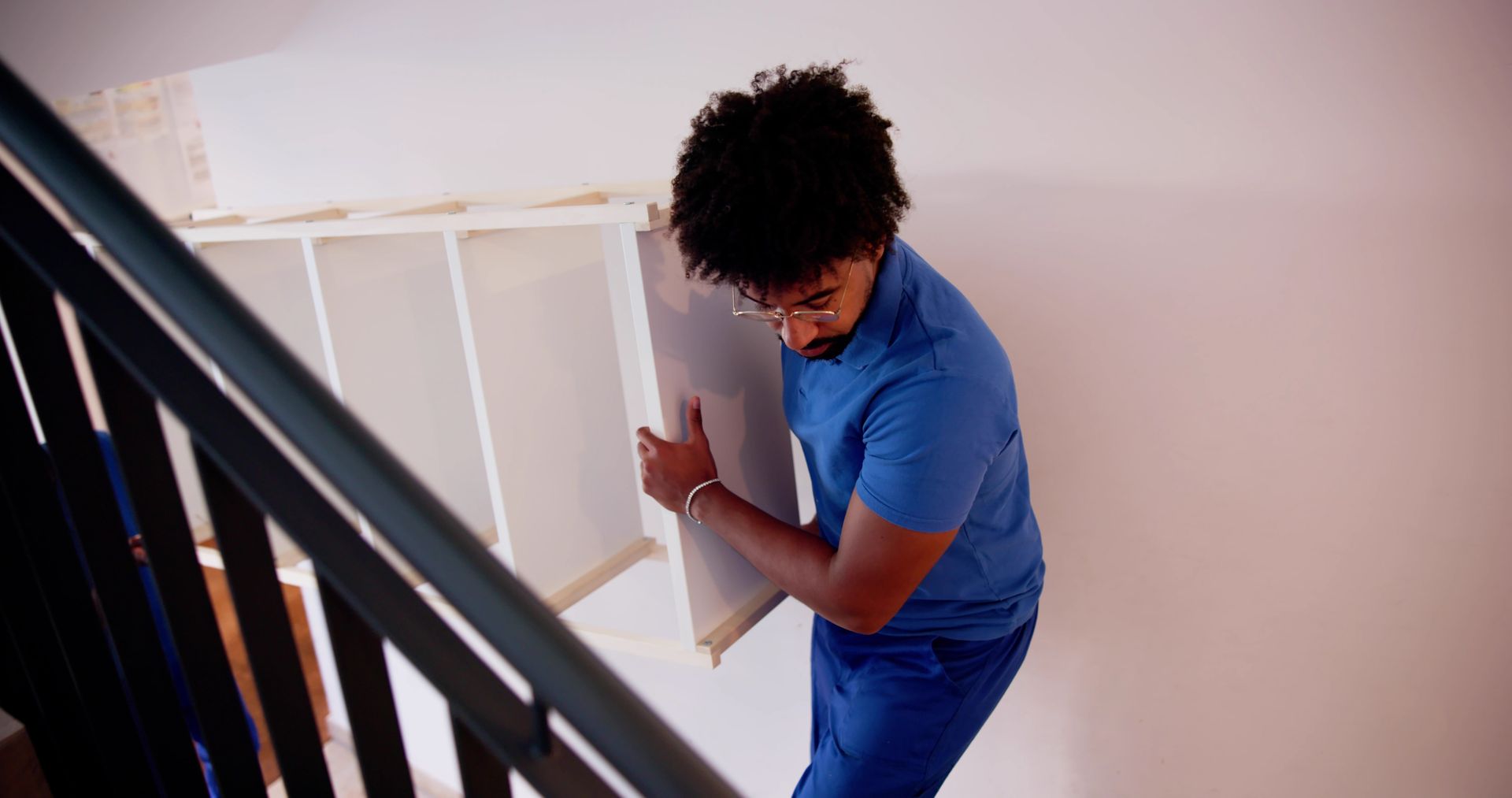
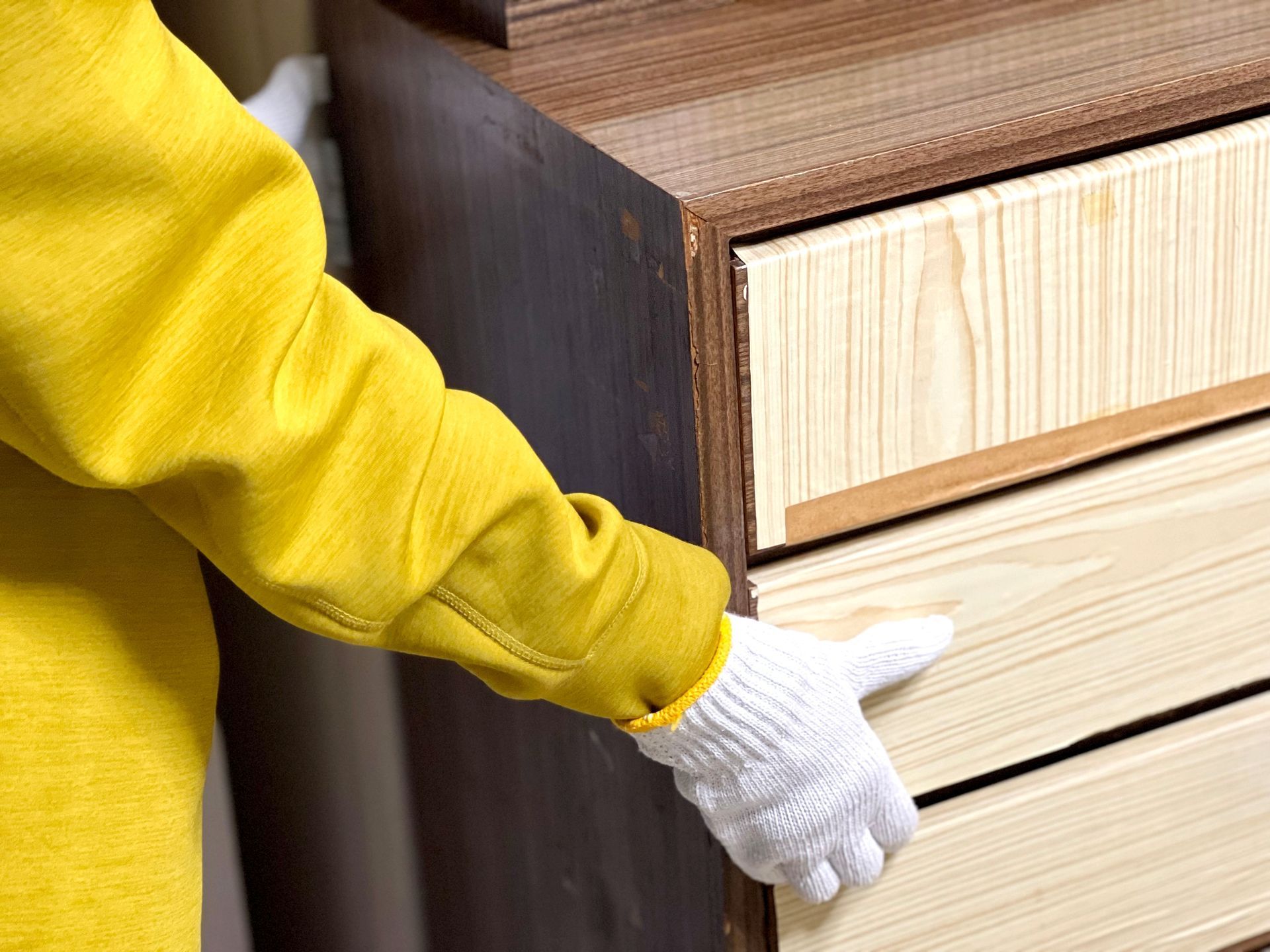
Homeowners commonly overestimate their ability to safely lift and maneuver awkward, heavy trash like waterlogged mattresses or old appliances. Moving these items requires proper leverage and grip techniques to prevent severe back injuries. When you exhaust yourself hauling trash, you have zero energy left for the actual demands of your upcoming move.
→ A quick tip to remember: Professional crews use mechanical leverage and industrial dollies to clear heavy debris without risking personal injury.
Frequently Asked Questions
How much time does DIY junk removal take?
A standard garage or basement cleanout usually takes a homeowner two to three full days of manual labour and driving.
This includes sorting the debris, making multiple trips to the municipal dump, and waiting in line at the weigh scales.
Professional crews can typically clear the same volume of material in under three hours using high capacity trucks.
Will moving companies haul away old furniture?
Yes, full service operators often provide dedicated junk removal services directly alongside their standard moving packages.
This means a crew can dismantle and dispose of your unwanted items on a designated day prior to the main relocation.
Keeping all services under one provider ensures your floor plan is completely clear before the moving truck arrives.
What is the cheapest way to get rid of junk before moving?
The most cost effective method is sorting your belongings early and utilizing local donation centers for items that are still in usable condition.
For actual waste and heavy debris, bundling a junk removal service with your moving contract often yields a better overall rate than hiring a separate boutique disposal company.
This trade approach streamlines the logistics and consolidates your final billing.
Executing a Clean Transition
Clearing your property of heavy debris early ensures that moving day focuses purely on transporting your valued possessions.
Skipping the dump runs preserves your energy and keeps your personal vehicles free from damage.
Contact our team to add professional waste clearing to your moving plan and start your relocation with a clean slate.
Share This Blog